
When the meeting ends, what remains is the impact, or the weight of consumption ?
What you see is absurd art?
Or the "weight" of consumerism ?
I recently saw an experimental video featuring environmental activists.
Rob Greenfield Wear all the trash you 've created in 30 days at once.
Things we are used to discarding
Those things we're used to using and discarding quickly never truly disappear... they just leave our sight (we turn a blind eye to them).
This makes us re-examine the exhibition industry.
How much stuff does an event require?
In large conferences and events, we often see:
• Large back panel used for only one or two days
• Printed materials that no one takes away, such as conference handbooks or even souvenirs.
• Objects that are over-made in order to "look rich".
• Large amounts of food and supplies were wasted.
• Materials to be scrapped directly after the event.
For a long time, these were taken for granted as costs.
The question we've been thinking about
As a PCO (Conferences and Events Consultant), Huiju International constantly asks itself: Does a professional event necessarily have to be built on a large amount of consumption?
We believe this is unnecessary.
Circular exhibitions: More than just using less
For us, circular conventions are not just about reducing waste, but about reinventing the logic of conference organization .
What we care about more is:
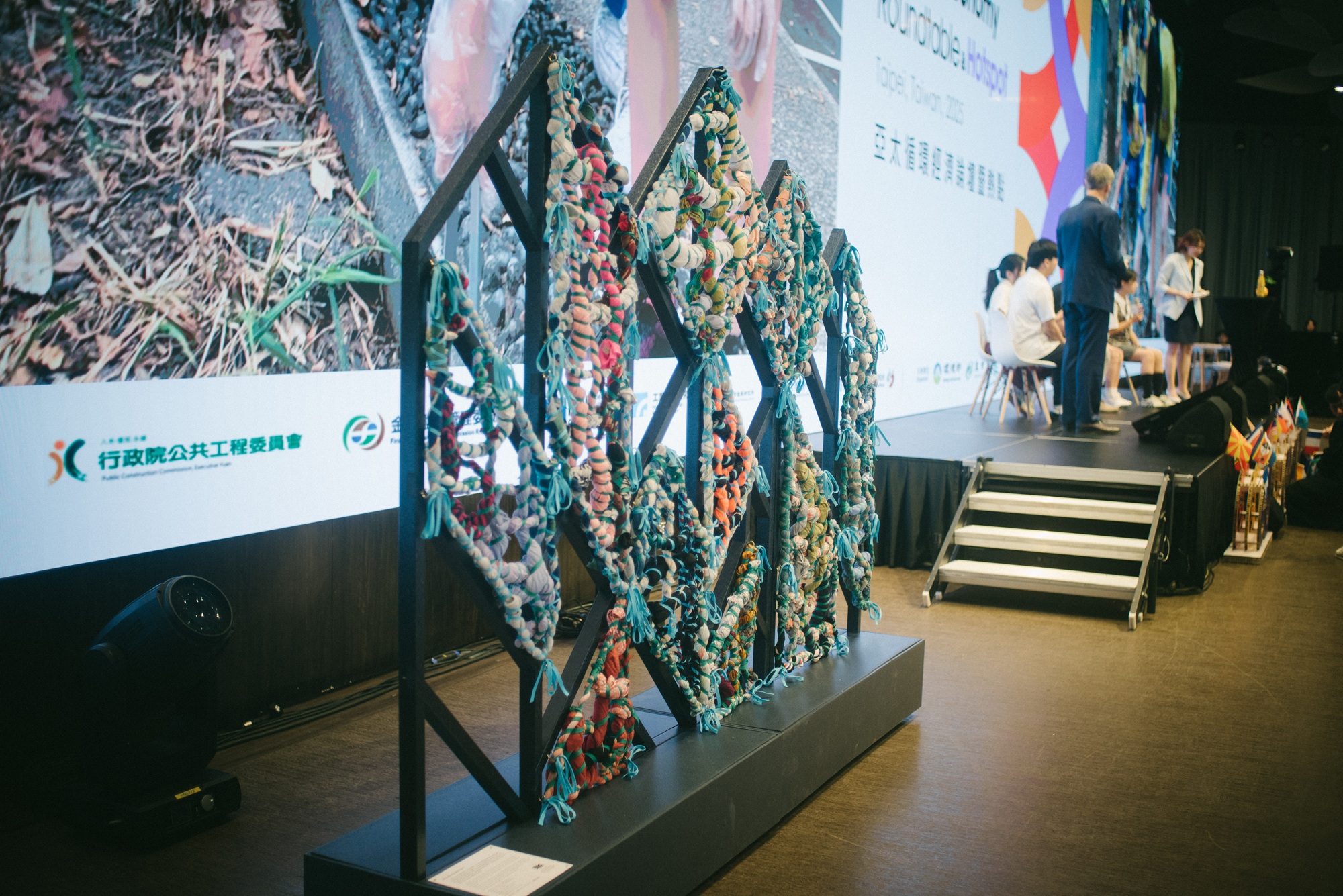
• Can we reduce unnecessary production by starting with the design process at the source ?
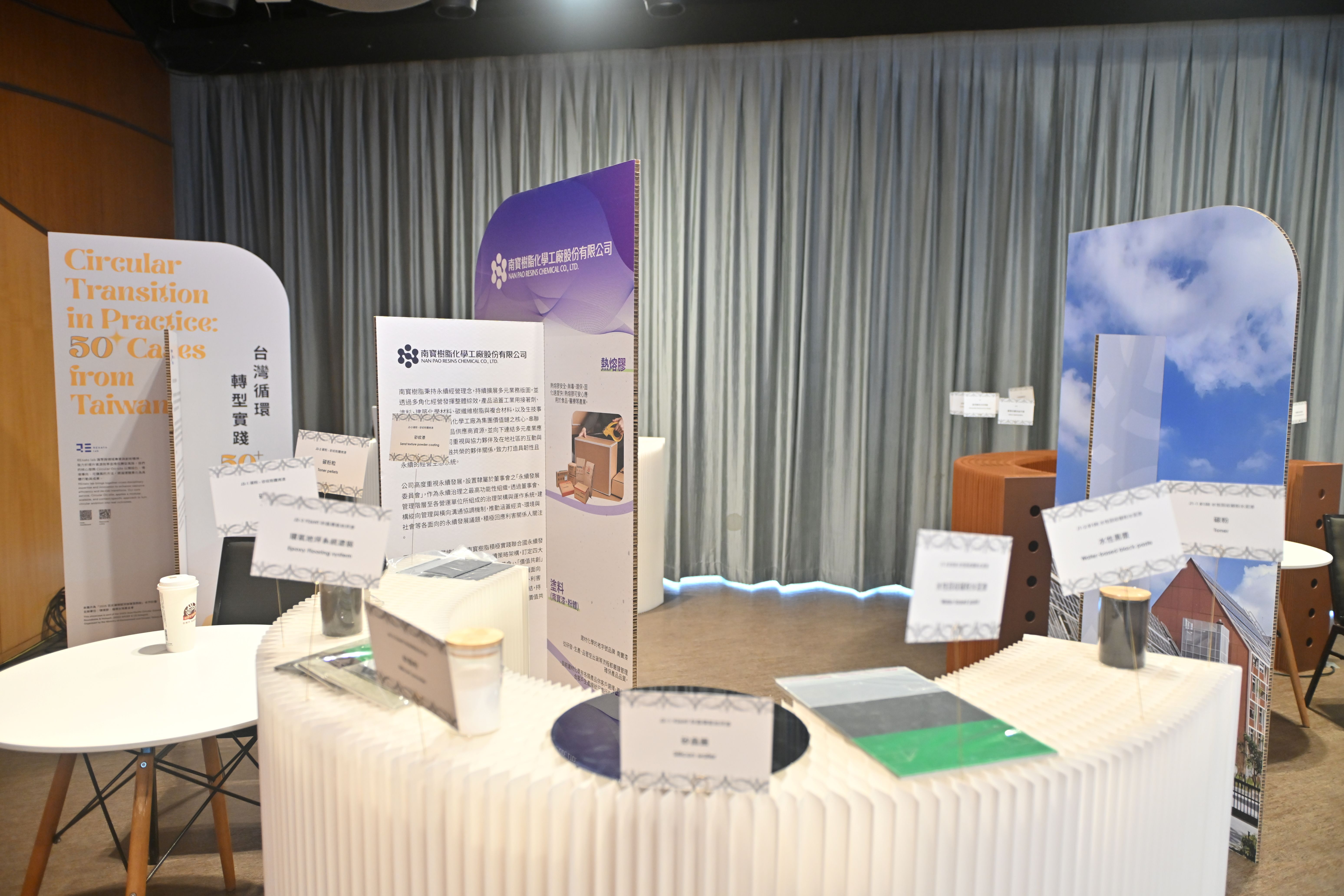
• Is it possible to make materials reusable instead of existing only once ?
• Can we ensure that the value of face-to-face interaction comes from content and communication, rather than from simply piling up a lot of consumables ?
A truly good meeting is one where we think about "what the participants left behind".
Sustainability shouldn't start with recycling bins.
In recent years, sustainability has become an important direction for many businesses and international organizations. However, we believe that real change doesn't come from post-event carbon emissions reports , but from considering it from the very beginning when designing the conference:
"Is there a better way?"
Therefore, it draws on continuous international investment:
• Cyclic activity design
• Reuse Material Planning
• Local and low-carbon supply chain integration
• More precise catering and resource allocation
• Reduce one-time output and devices
The future of professionalism lies not in making conferences grand and sophisticated , but in creating influence while minimizing the burden on the environment.
Truly meaningful meetings don't need to leave behind a lot of junk.
important measure of a conference should not be how much stuff is discarded or how much carbon emissions are reduced .
Rather, it's about whether people take away new ideas, new connections, and values that are truly worth continuing.
This is also why we are bringing together international organizations to continuously promote circular exhibitions.
Asia Concentrate is a professional conference organizer (PCO) focused on the Asia-Pacific region. It is committed to promoting circular and sustainable conference practices, serving businesses, associations and international organizations, and assisting in the design of purposeful, responsible and time-tested conferences .
If you have time, this is definitely a TED Talk worth watching: I wore all my trash for 30 days

.webp)


