Beginner's Guide|Unveiling the "Hidden Details" That Determine Success of Hosting an International Forum with 200 Participants
"200 people" is the size that is most easily underestimated.
In corporate organizations, this is also a common number of participants for internal events. Therefore, when an event is transformed into an "international forum," many organizers instinctively delegate the planning to an internal team. However, when an international forum needs to connect with the world, invite foreign guests, and showcase the brand image at an external venue, the complexity increases exponentially.
An international forum with 200 participants demands sophistication and strategic thinking, often leaving teams whose core business isn't conference planning feeling anxious and unsure where to begin. As professional conference consultants (PCOs), we've identified four key elements in the preparation process to offer a glimpse into the intricacies behind professional execution.
1. Time Management: Start thinking from "the day it ends"
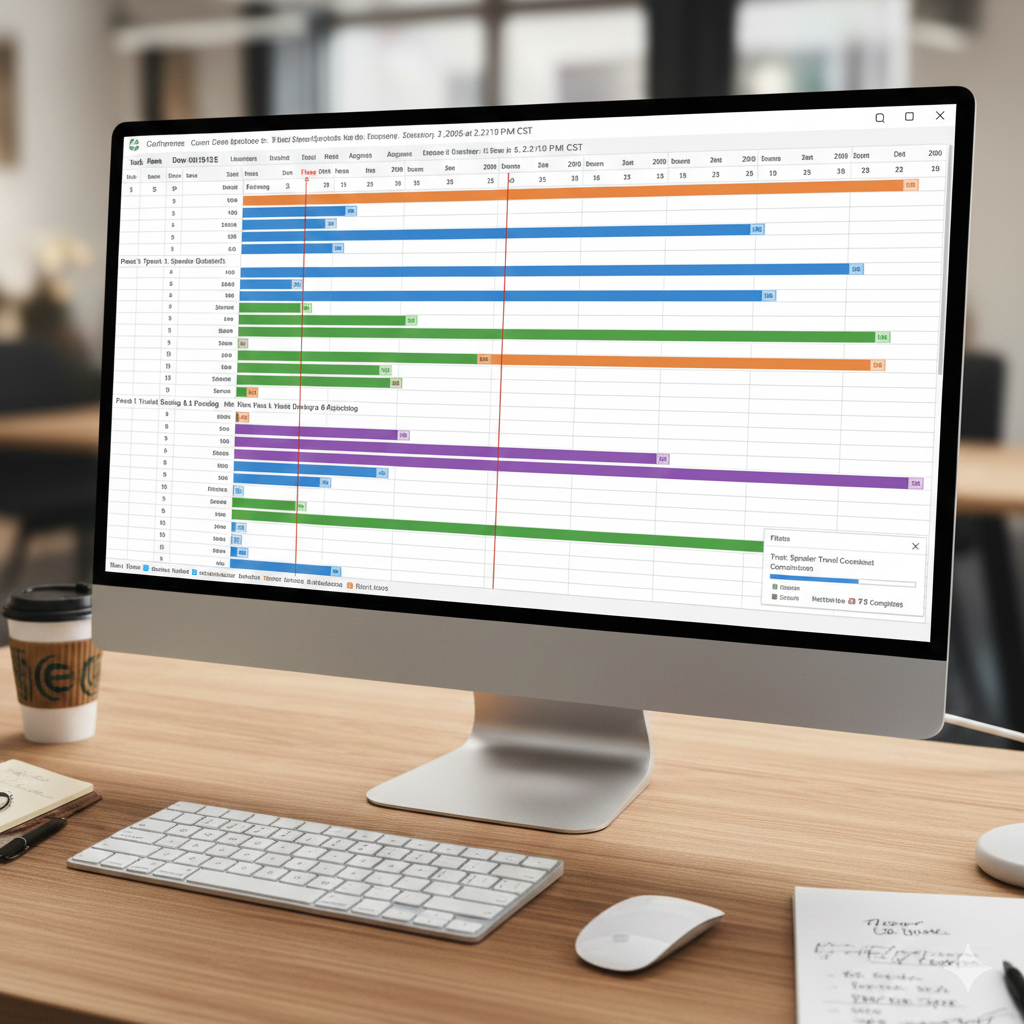
Time management is the most critical part of project activities. The most common mistake is "calculating from today onwards," but "calculating from the activity date backwards " is the key to identifying important milestones. For example, what is the deadline for printing ? This will tell you how much time is left to work and at what point each design drawing needs to be confirmed.
Buffer time is also a key aspect of schedule management ; when must the customized gifts arrive? Failure to consider factory delivery dates and potential logistical delays often leads to regrets .
These factors must be precisely controlled to ensure the smooth running of the event. We have seen cases where sponsors neglected delivery deadlines and the risk of delays, resulting in the distribution of "half-finished" gifts at the event, which greatly diminished the original brand's goodwill and was a great pity.
2. Venue Selection: Don't let "seating" limit the venue's influence
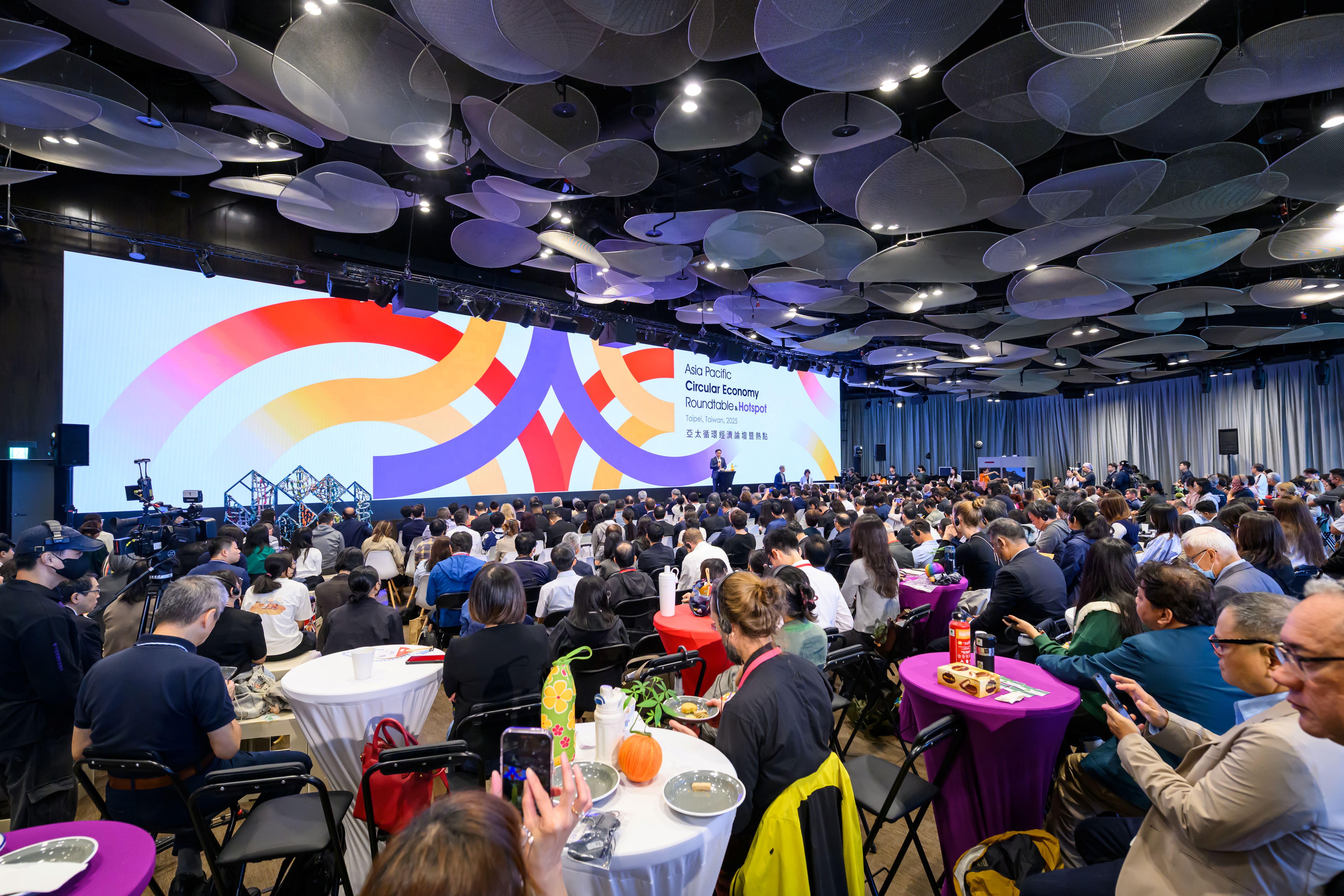
The venue is not just a space to "hold 200 people", but also an extension of the agenda strategy.
Most people choose common theater or classroom seating based on location, availability, and number of attendees. While this is safe, it may miss out on the strategic function of the venue.
In recent years, the forum has emphasized "interactive exchange," and traditional rows of seats often freeze the social atmosphere. If your goal is to foster active connections, space planning must break with convention. Venue selection should begin with the purpose: first determine the event's objective, then consider suitable seating arrangements, and finally find a suitable venue.
Surveys and finalize your plans early in the timeline to avoid missing out on your ideal strategic space.

3. Speaker Invitation: A Psychological Battle About "Timing" and "Culture"
Inviting international experts to speak is not simply a matter of sending an email.
When is the best time to invite someone? Inviting someone too early often results in keynote speakers hesitant to commit due to the lack of clarity in the agenda details and the resulting uncertainty . By the time the details are finalized and emails are sent three months before the event , these top experts' schedules are already fully booked .
Offline periods, such as summer vacation in Europe and America and Lunar New Year in Asia to ensure that the invitation appears on time at the top of the recipient's inbox, rather than being buried in the mailbox.
Integrity and attention to detail: Whether the content of the invitation letter conforms to international etiquette and whether subsequent communication is timely and appropriate are key moments for the organizer to demonstrate sincerity and shape an international corporate image.

4. Program Setting and Preliminary Communication
Organizers make is handing over complete control of the agenda to the speakers. While this may seem respectful, it is actually a way of shirking responsibility for the quality of the conference.
Speakers can provide professional knowledge, but if the pre-conference communication only goes as far as "I hope to provide you with professional insights in this field," the other party can only compile the information they have and present a set of content that has been presented in other conferences. As for whether it meets the purpose of the conference or whether the presentation is good or bad, it depends entirely on the speaker's performance on the spot.
If the organizers want to maintain control , the agenda needs to be more clearly defined, and communication with speakers shouldn't be limited to just email invitations. For example, the most common forum topic keyword is "explore , " but this word is very vague. From the SMART principle of goal setting, "explore" doesn't provide a clear direction for discussion ; a clear agenda is essential to drive effective discussion and focus on the conference objectives.
Having read the details above, you may have realized that organizing an international forum is not simply an administrative task, but a management mission that tests resource allocation, crisis response, and strategic application.
Preparing to launch your first international forum? Instead of worrying about the details, why not talk to a conference consultant first? A professional PCO will provide an initial risk assessment and expert advice tailored to your needs, ensuring your preparations are on the right track from the start.


.jpg)